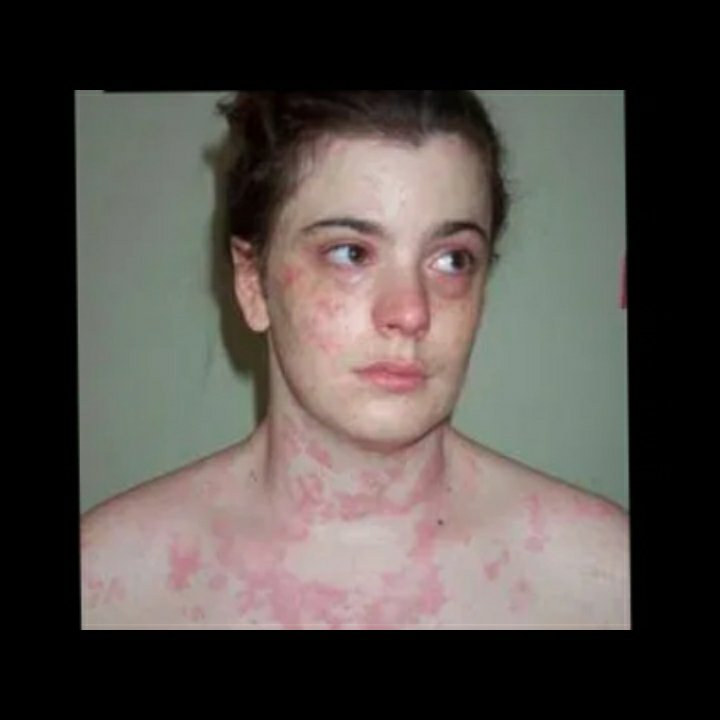
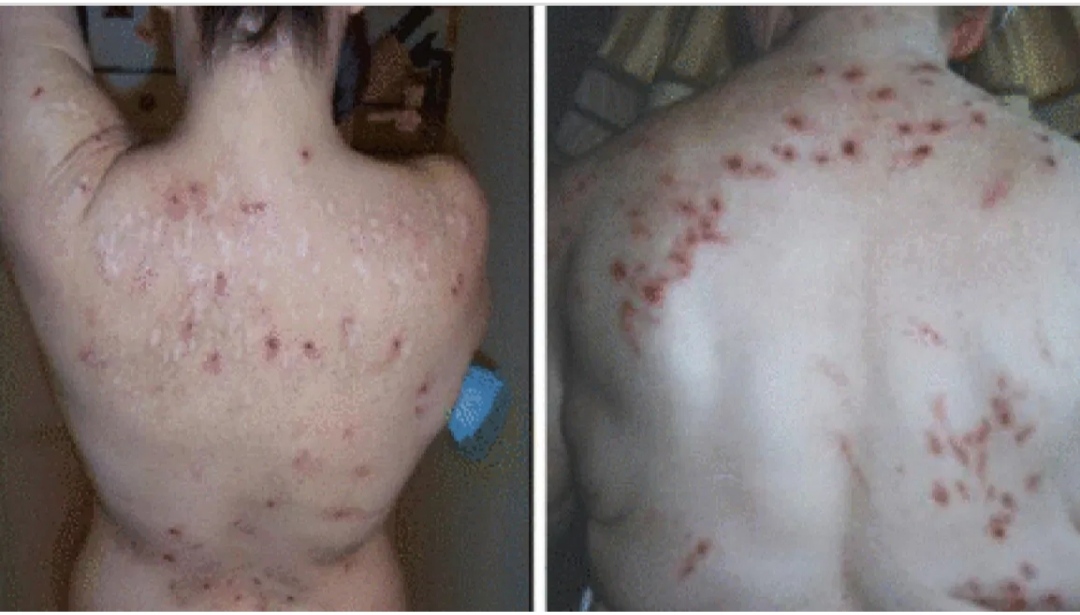
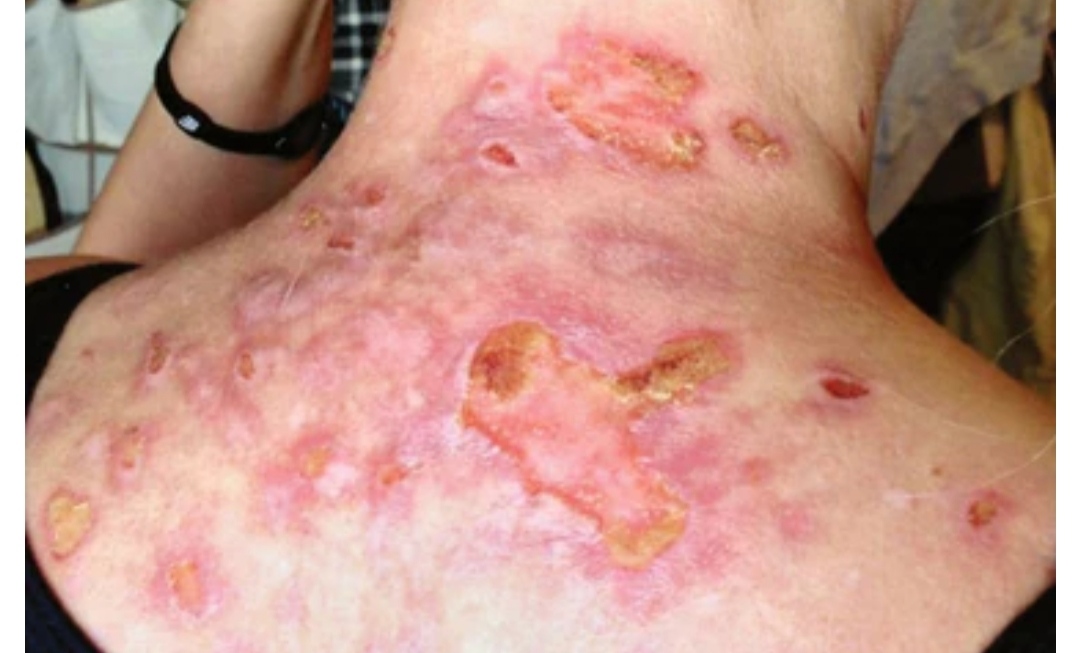
It is also known as Water allergy and water urticaria , is a rare form of physical uriticaria in which hives develop on the skin after contact with water , regardless of its temperature. It is sometimes described as an allergy . Although it is not a true histamine realising allergic reaction like some other forms of uriticaria. The condition typically results from contact with Water of any type , temperature or additive .
a) Rain
b) Snow
c) Sweat
d) Tears
SYMPTOMS
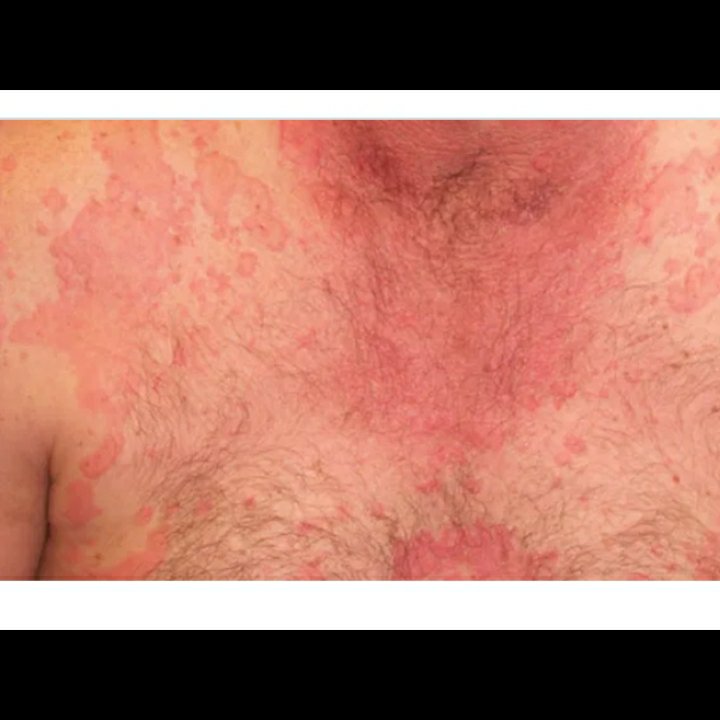
1) Rash around the mouth
2) Wheezing
3) difficulty swallowing
4) Difficulty breathing
CAUSES
The exact underlying cause of aquagenic urticaria is poorly understood . However , scientists have proposed the following theories : A substance dissolved in water enters the skin and triggers an immune response . In this theory , the hives are not caused by water , specifically, but rather an allergic in the water .
Aquagenic urticaria
Other names – Water itch , water allergy
Speciality – Dermatology
Symptoms – Hives after skin contact with water
Usual onset – Immediate
Duration – 30 to 60 minutes
Causes- unclear ( triggered by water )
Diagnostic method – based on symptoms confirmed by ” water challenge” test
Treatment- medications, phototherapy, barrier cream
Medication– Antihistamine , propranolol , steroids.
Inheritance
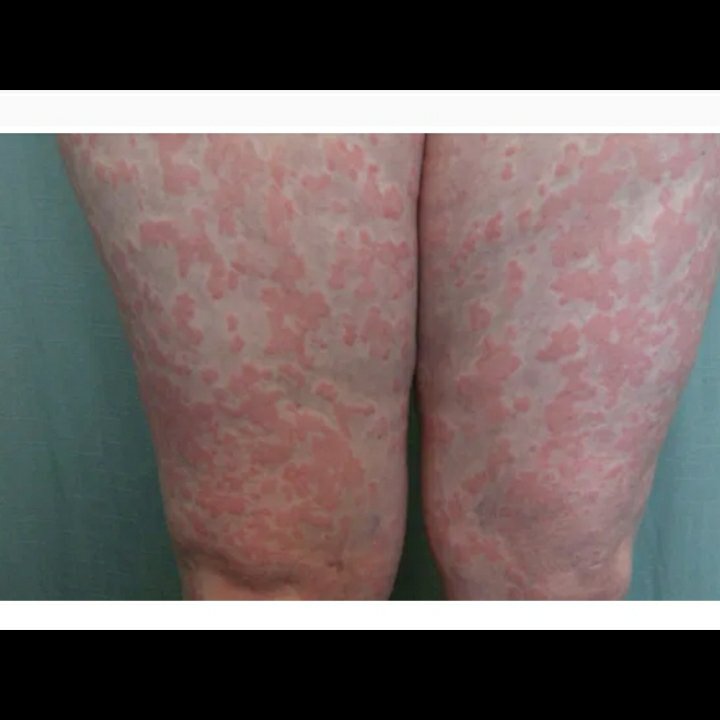
Most causes if aquagenic urticaria seem to occur specifically occur sporadically in people with no family history of aquagenic urticaria . However familial cases ha e been reported on several occasions, with one report describing the diseases in three generations of a single family , some families cases hve been reported in association with other conditions, some of which can be familial . In other words , the family members who had aquagenic urticaria also had another potential ly inherited medical condition. However , to our knowledge, no specific inheritance pattern has been definitely associated with aquagenic uriticaria .
Diagnosis
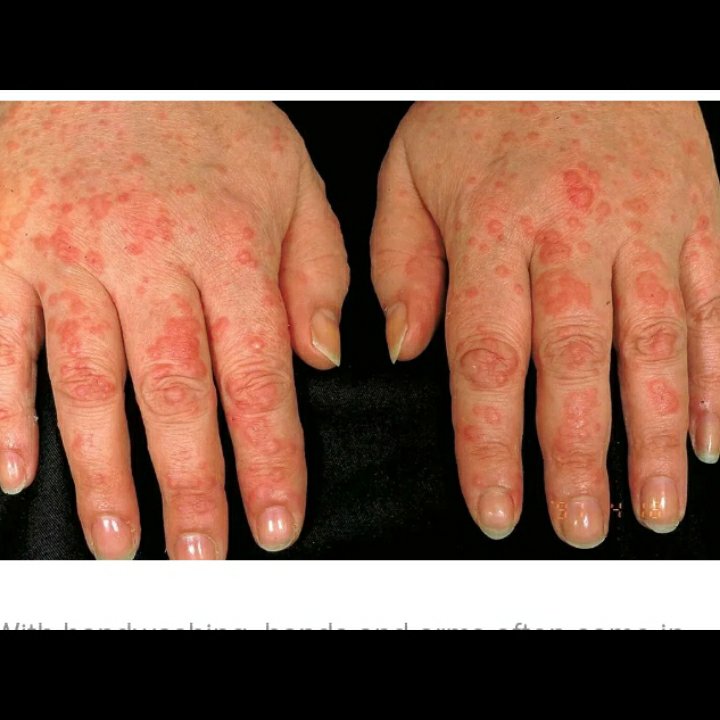
To diagnose aquagenic urticaria , your doctor will conduct a physical exam to do observe your symptoms. They’ll also review your medical history , and may also perform a water challenge test .
During this test , your doctor will apply a water compress oof 92°F (35°C)) to your upper body . Those is. Done to trigger a reaction .. symptoms should begin within 15 minutes.
Your doctor will record your reaction to the water challenge test and compare it to symptoms of aquagenic pruritus. Aquagenic pruritus causes itching and irritation, but doesn’t cause hives or reddening .
Treatment
Due to rarity of aquagenic urticaria ( AU), there is very limited data regarding the effectiveness of individual treatments . To date , no large scale studies have been conducted . Unlike other type of physical urticaria where one can avoid the agents which can cause hives , avoidance of water can not be practical . The following treatments have been used to manage or test AU with variable results .
Antihistamines – These typically are used as the first line medical therapy fir all forms of uriticaria . Those that block H1 receptor s (H1 antihistamines) and are non sedating , such as certirizine , are preferred . Other H1 antihistamines or H2 antihistamines may be tried if H1 antihistamines are not effective.
Creams – other topical agents that serve as a barrier between water and the skin , such as petroleum based products. These may be used prior bathing or other exposure to water to prevent water penetrations to the skin .
Ultraviolet light therapy – It is also called as phototherapy , such as Psoralens ultraviolet radiation (PUVA) and ultraviolet radiation B, have been reported to resolve symptoms of AU in a few cases .
Omalizumab – an injection medication typically used for people with severe asthma . This medication has reportedly been tried successfully in a few people with AU.


 Disease and fitness